

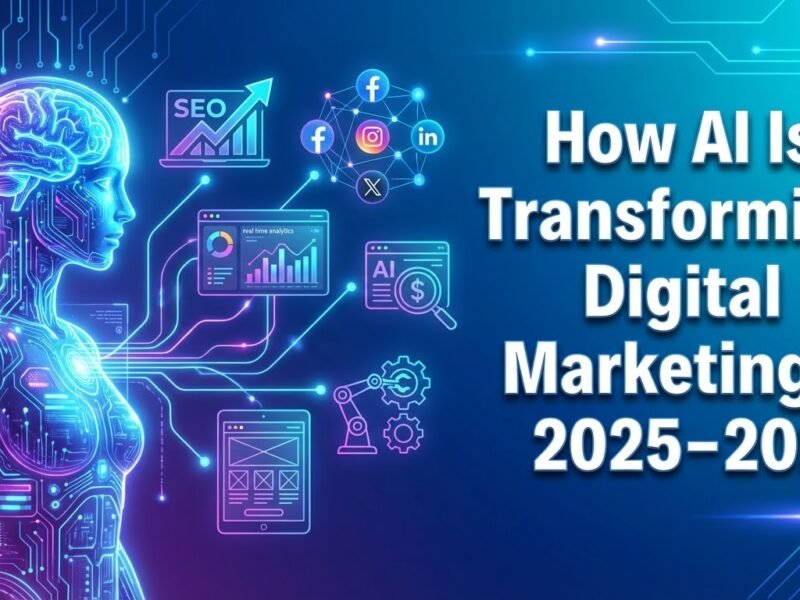
Digital Marketing Transformation in 2025–2026
Artificial Intelligence (AI) is no longer a futuristic concept it has become the backbone of modern digital marketing. In 2025–2026, AI is reshaping how brands attract, engage, and convert customers by enabling smarter decisions, hyper-personalization, and automation at scale. From content creation to ad optimization and customer experience, AI is redefining the rules of digital marketing.
This article explores how AI is transforming digital marketing in 2025–2026, the key areas impacted, and how businesses can leverage it for growth.
1. AI-Powered Content Creation & Optimization
AI has significantly changed how content is created and optimized:
- AI writing tools now generate blogs, ad copies, emails, and social media captions faster than ever.
- Content is optimized in real-time using search intent analysis, keyword clustering, and semantic SEO.
- AI helps marketers identify content gaps and suggests topics likely to rank based on competition and trends.
Impact: Faster content production, improved SEO rankings, and higher engagement with less manual effort.
2. Hyper-Personalization at Scale
Personalization has evolved from simple name-based emails to behavior-driven experiences:
- AI analyzes user behavior, demographics, browsing history, and purchase intent.
- Websites now display dynamic content, personalized offers, and tailored CTAs for each visitor.
- Email and SMS campaigns are triggered based on real-time user actions.
Impact: Higher conversion rates, improved customer satisfaction, and stronger brand loyalty.
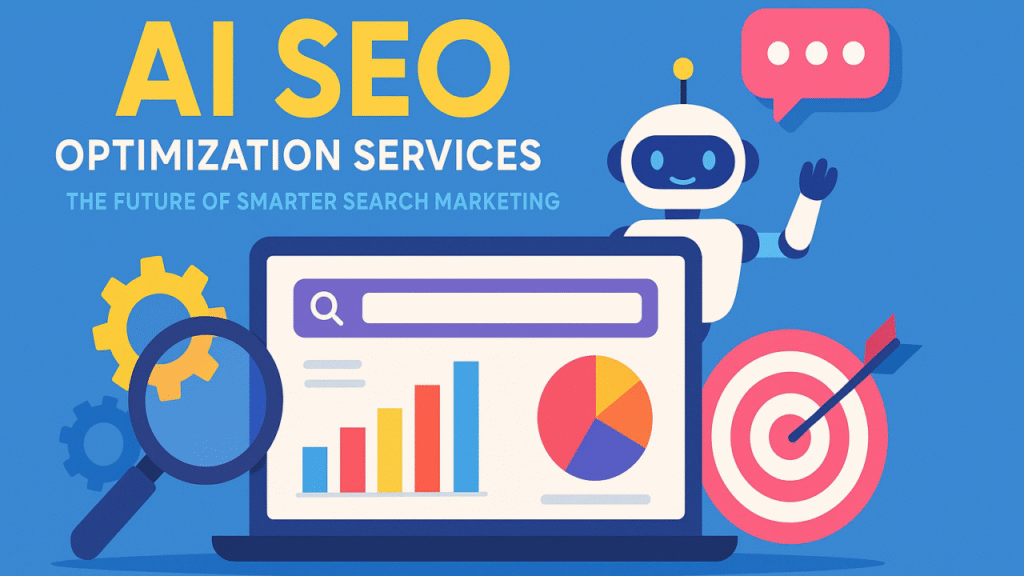
3. Smarter SEO & Search Experience Optimization
AI is redefining SEO in 2025–2026:
- Search engines use AI to better understand context, intent, and content quality.
- AI tools assist with predictive keyword research, competitor analysis, and SERP tracking.
- Voice search and AI-generated search results demand conversational, human-like content.
Impact: SEO strategies now focus on user intent, topical authority, and experience—not just keywords.
4. AI in Paid Advertising & Campaign Automation
AI-driven advertising platforms are optimizing campaigns with minimal human input:
- Automated bidding adjusts in real time to maximize ROI.
- AI predicts which audiences are most likely to convert.
- Ad creatives are tested, refined, and scaled automatically using machine learning.
Impact: Lower ad spend wastage, better targeting, and higher ROAS (Return on Ad Spend).
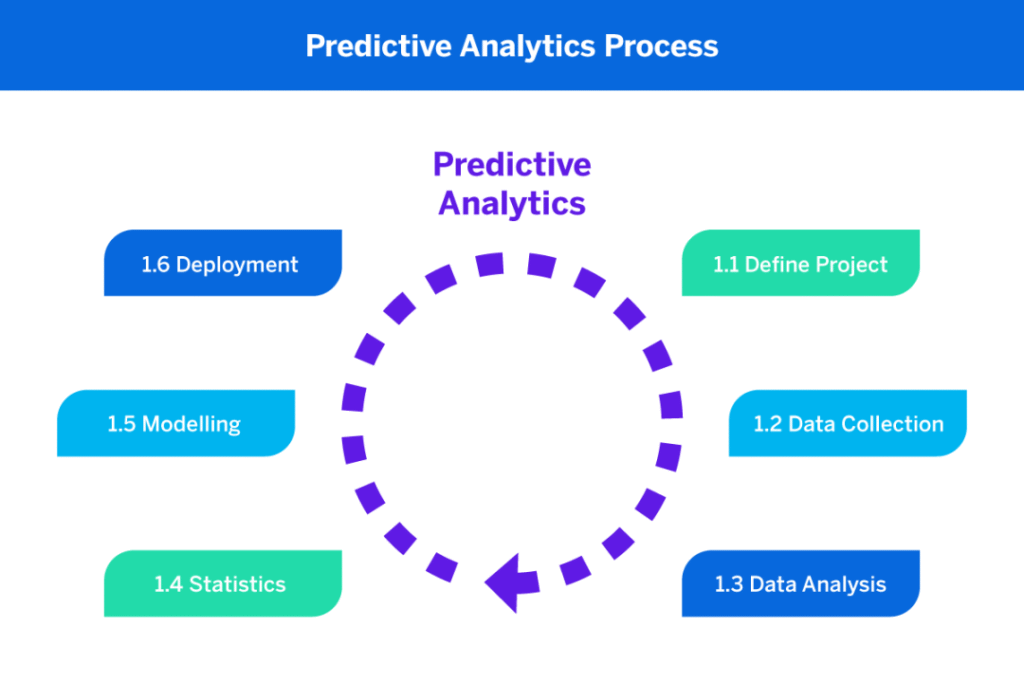
5. Predictive Analytics & Data-Driven Decisions
AI enables marketers to predict outcomes before they happen:
- Forecast customer behavior and buying patterns.
- Identify churn risks and upsell opportunities.
- Optimize budgets based on performance predictions.
Impact: Reduced guesswork and smarter, data-backed marketing decisions.
6. AI Chatbots & Conversational Marketing
AI-powered chatbots have become a core customer engagement tool:
- 24/7 customer support without human dependency.
- Instant responses across websites, WhatsApp, and social platforms.
- Lead qualification and booking automation.
Impact: Improved response times, reduced operational costs, and better lead nurturing.
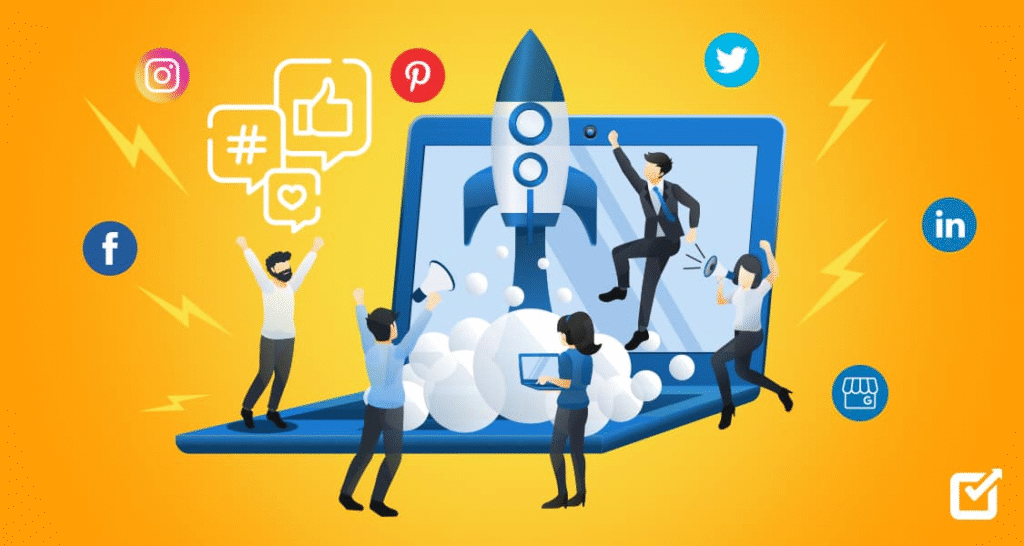
7. Social Media & Influencer Marketing Automation
AI is enhancing social media marketing by:
- Predicting optimal posting times.
- Analyzing sentiment and audience reactions.
- Identifying high-performing influencers using data, not guesswork.
Impact: Stronger engagement, improved brand visibility, and more effective influencer collaborations.
8. Enhanced Customer Experience (CX)
AI ensures seamless experiences across all digital touchpoints:
- Personalized journeys across web, mobile, and email.
- Automated feedback analysis and sentiment tracking.
- AI-driven UX improvements based on user behavior.
Impact: Higher retention rates and improved customer lifetime value.
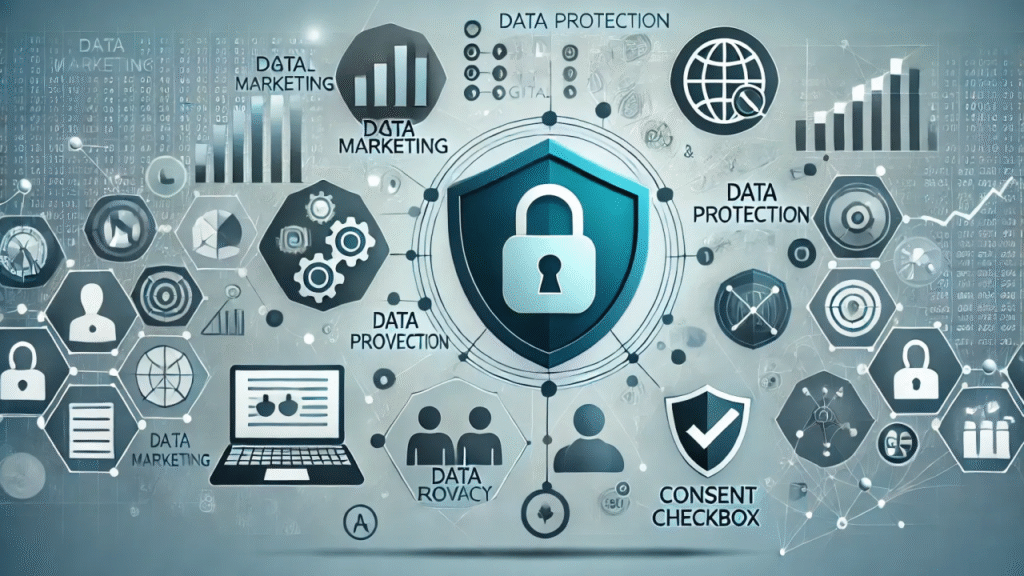
9. Ethical AI & Data Privacy in Marketing
As AI adoption grows, ethics and privacy are becoming critical:
- Brands must ensure transparency in AI usage.
- Data protection and consent-based marketing are essential.
- Responsible AI builds trust with consumers.
Impact: Businesses that prioritize ethical AI gain long-term credibility and customer trust.
10. The Future of Digital Marketing with AI
Looking ahead, AI will continue to:
- Blend automation with human creativity.
- Make marketing more predictive than reactive.
- Enable small businesses to compete with enterprise brands.
AI will not replace marketers—but marketers who use AI will replace those who don’t.
Final Thoughts
In 2025–2026, AI is transforming digital marketing into a more intelligent, efficient, and customer-centric ecosystem. Businesses that embrace AI-driven tools and strategies will gain a significant competitive advantage in visibility, engagement, and revenue growth.
If your brand wants to stay ahead in this AI-powered marketing era, now is the time to adapt, experiment, and innovate.
